Most people picture air pollution as an outdoor problem — traffic, wildfire smoke, industry. But the air inside a well-sealed modern home can carry a higher concentration of pollutants than the air outside, simply because there's less exchange with fresh air to dilute them.
What's actually in the air you're breathing at home
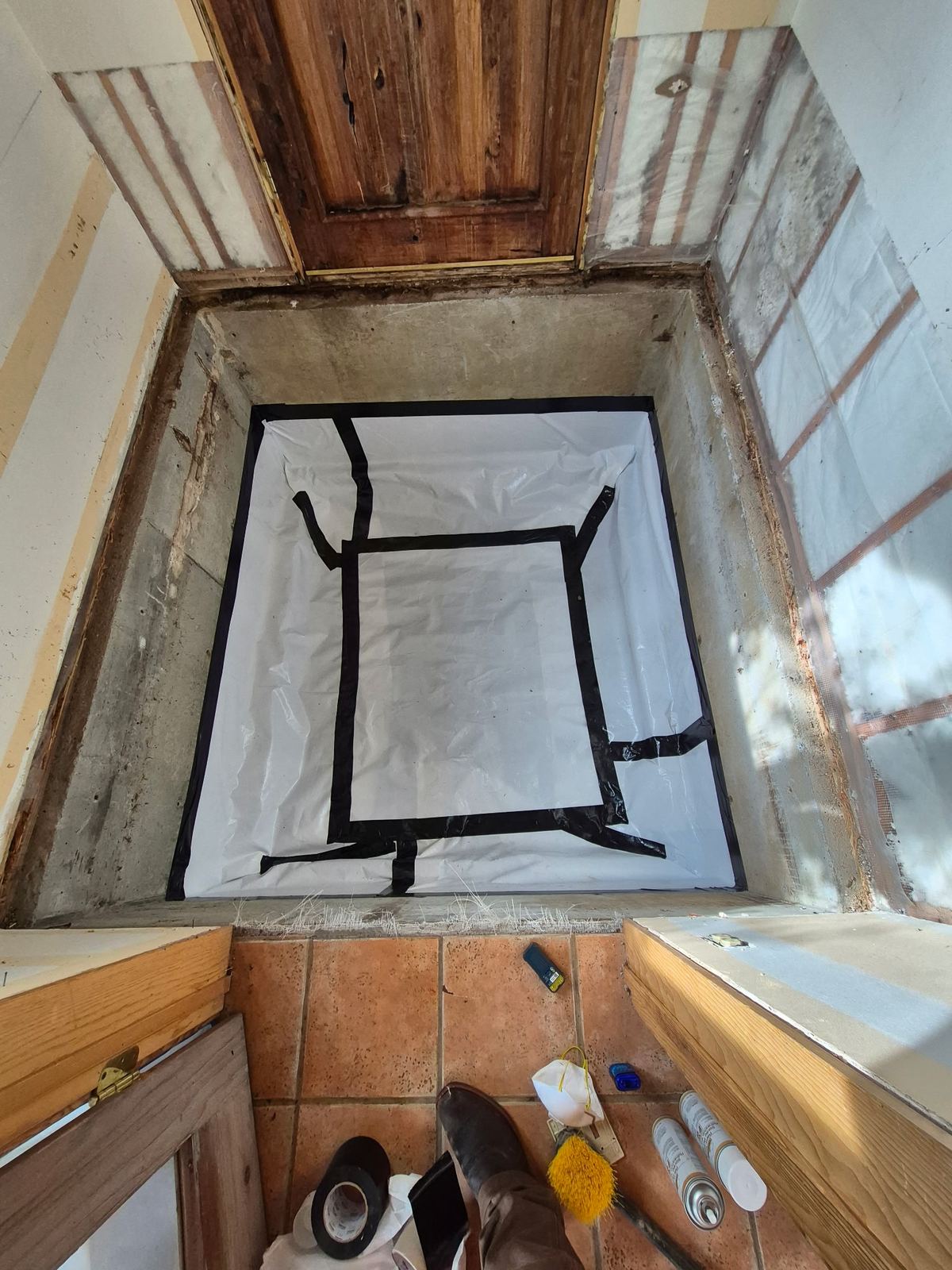
Indoor air quality is shaped by a mix of sources: mold spores from hidden moisture, dust and allergens trapped in ductwork, VOCs off-gassing from furniture and cleaning products, and particulates pulled in from attics or crawl spaces through gaps in the building envelope. In Idaho specifically, homes that are sealed tight for winter heating efficiency, or that back up to a damp crawl space, tend to concentrate these pollutants more than average.
What a professional air quality test actually measures
A proper test doesn't just check a single number — it profiles what's in the air and where it's coming from.
- Airborne mold spore counts, compared against outdoor baseline levels
- Particulate levels (dust, allergens, fine particles)
- Humidity and moisture conditions that could be feeding ongoing growth
- Likely source areas — attic, crawl space, HVAC, specific rooms
When testing makes sense
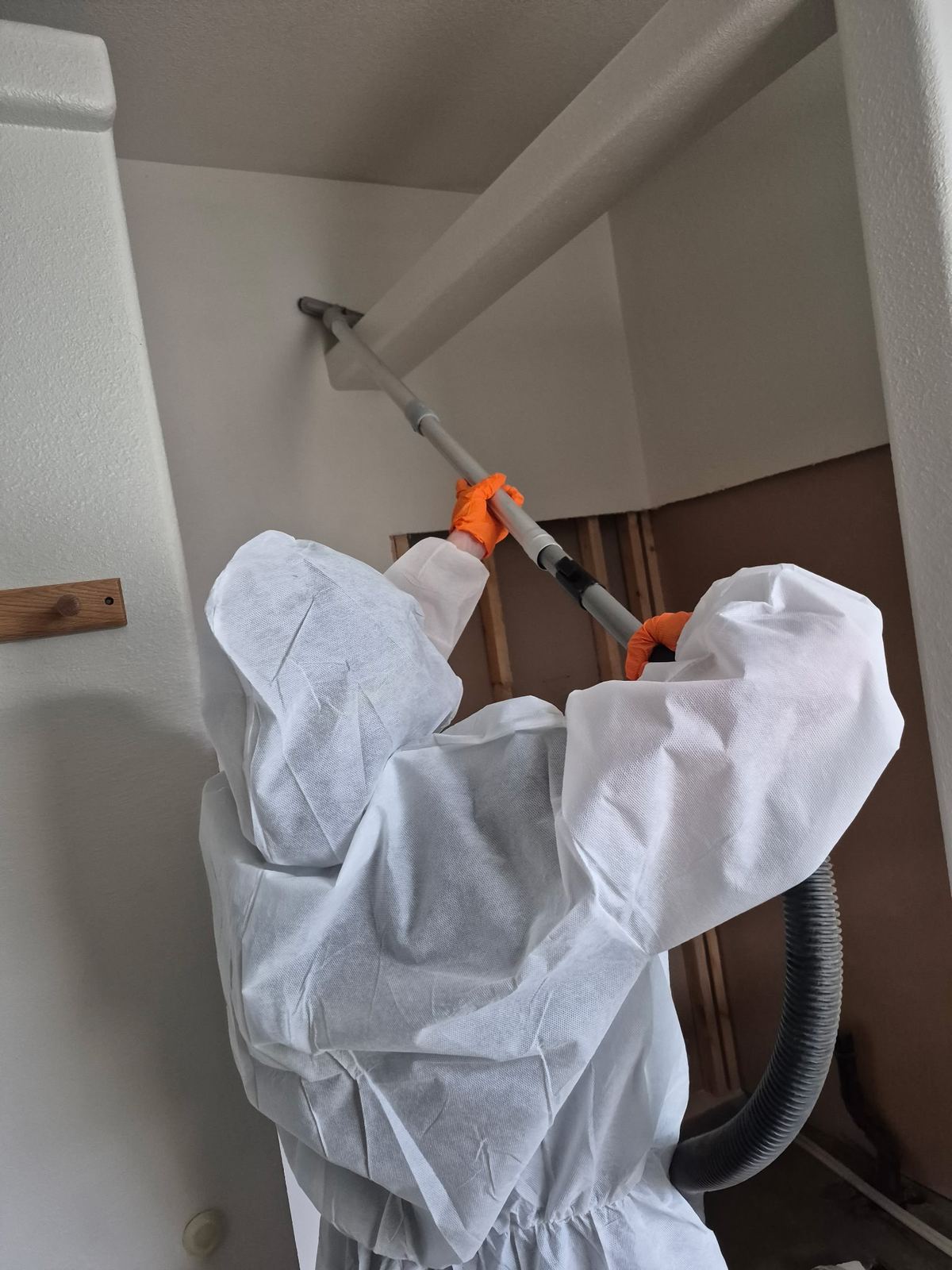
Testing is most useful when something has changed and you need a clear answer: after a water leak, before buying a home, when allergy or respiratory symptoms show up without an obvious cause, or simply to confirm a remediation job actually worked.