Mold rarely announces itself. By the time it's visible on a wall or ceiling, it's usually been growing somewhere out of sight for weeks or months. Catching it early keeps a small problem small — here's what to look and listen for.
1. A persistent musty smell
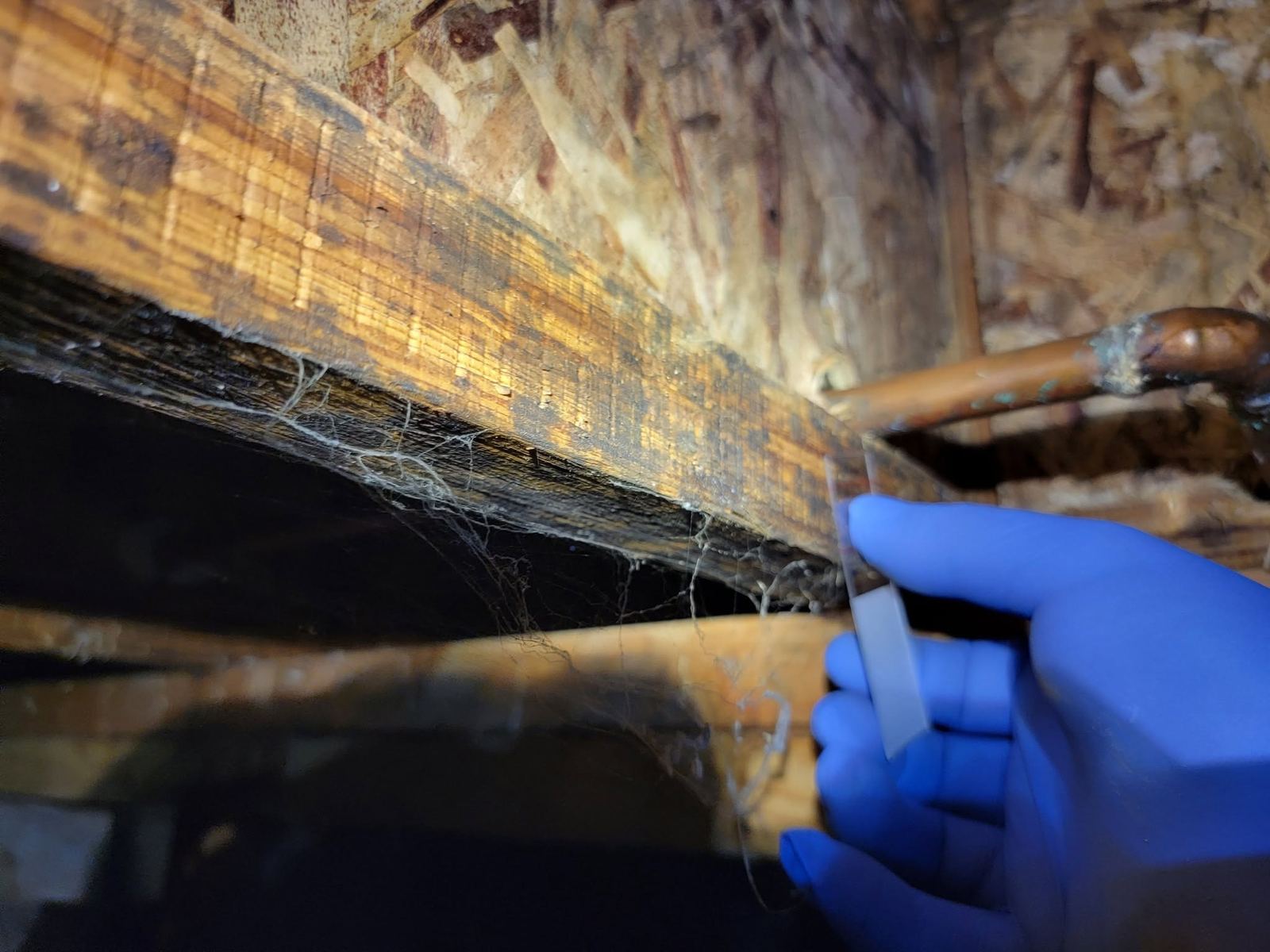
Mold produces its own distinct, earthy odor as it grows, even before you can see it. If a room, closet, or crawl space smells musty and the smell doesn't clear after airing it out, that's usually mold growing somewhere in the wall cavity, subfloor, or HVAC system rather than surface dirt or dust.
2. Discoloration that keeps coming back
Small black, green, or brownish spots on drywall, grout, or wood trim — especially spots that return shortly after cleaning — point to an active moisture source feeding the growth, not just a one-time stain.
3. Unexplained allergy or respiratory symptoms at home
Sneezing, coughing, headaches, or irritated eyes that show up mainly at home and ease when you're elsewhere can be a reaction to airborne mold spores, particularly for household members with asthma or allergies.
4. Peeling paint, warped drywall, or bubbling surfaces
Moisture trapped behind a wall or under flooring often shows up as physical damage before mold is visible — paint that bubbles or peels, drywall that feels soft, or flooring that cups or warps.
5. A history of water damage or high humidity
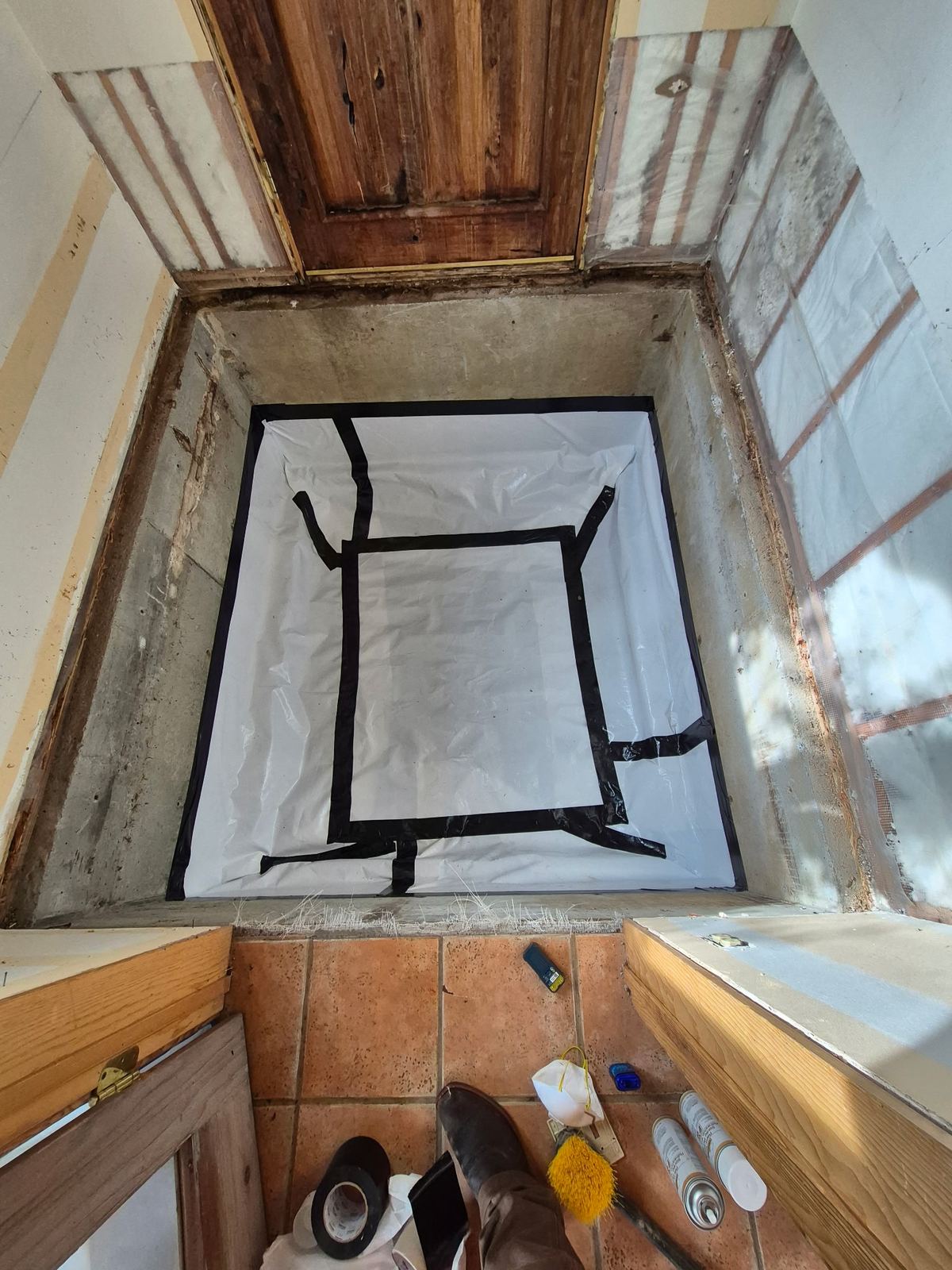
A past leak, flood, or a consistently damp basement or crawl space is one of the strongest predictors of hidden mold, even if it was "cleaned up" at the time — moisture that soaked into framing or subfloor can keep feeding growth long after the surface looks dry.