Mold needs three things to grow: a food source (most building materials qualify), a temperature it likes (most of the year, indoors), and moisture. The one variable you can actually control is moisture — which is why humidity management is the single most effective form of mold prevention.
Idaho's humidity swings, season by season
Winter brings cold outdoor air that holds very little moisture, but that same air, once heated indoors, can pull moisture out of showers, cooking, and even breathing faster than it's ventilated away — showing up as condensation on windows and cold exterior walls. Summer flips the problem: warm, more humid air gets trapped in attics and crawl spaces if ventilation is inadequate.
Where humidity problems usually start
- Bathroom and kitchen fans that vent into the attic instead of outside
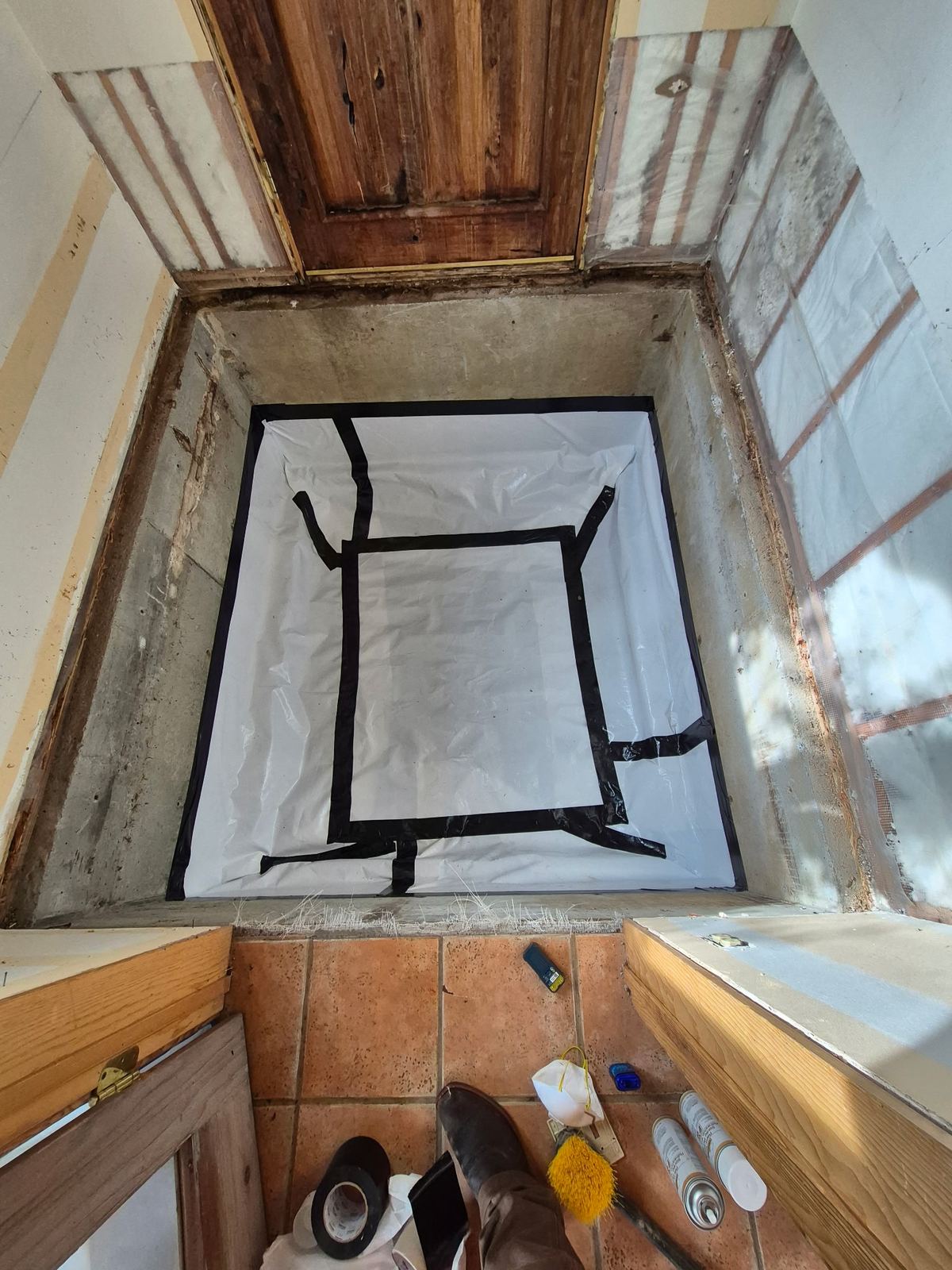
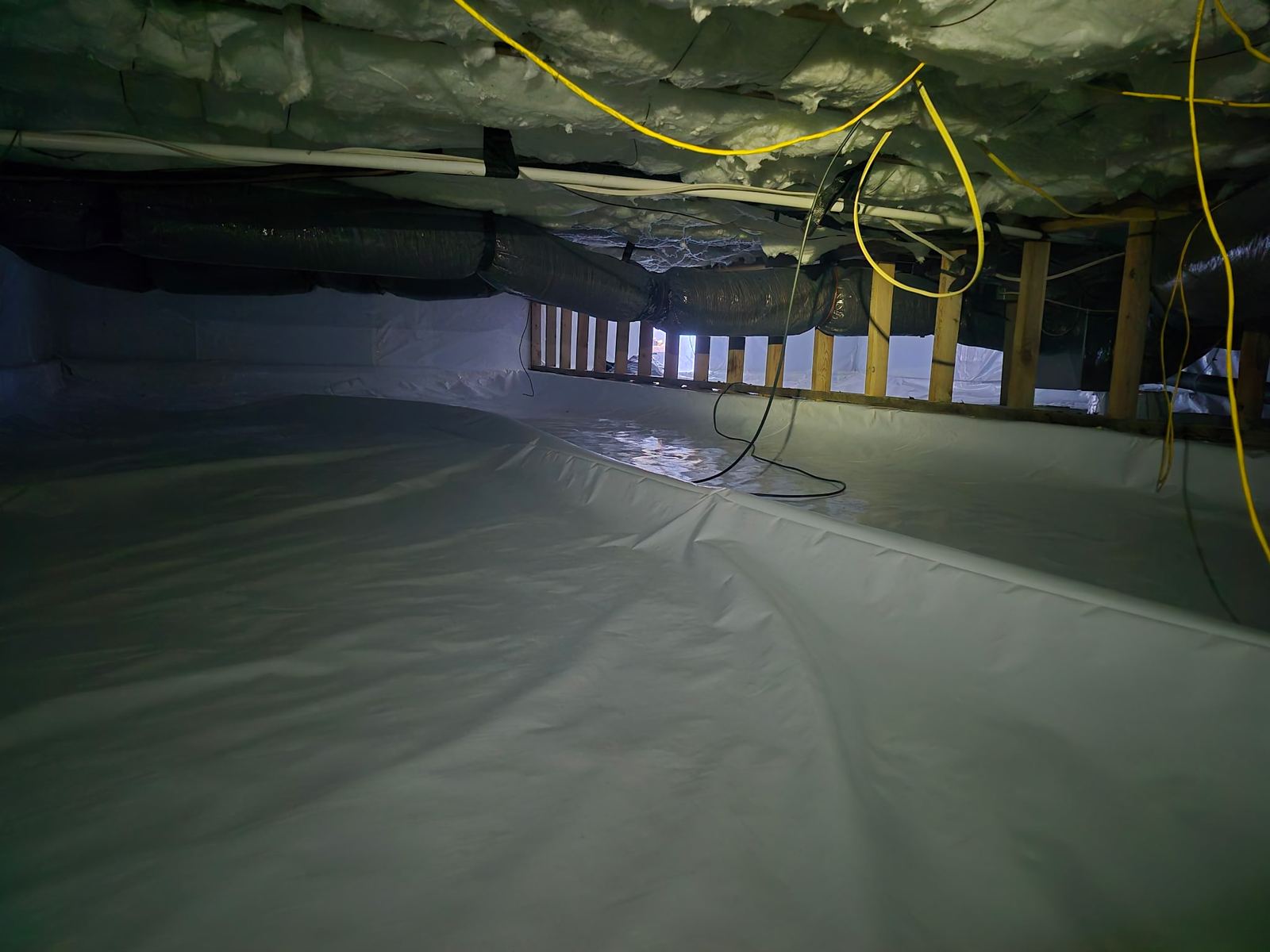
- Crawl spaces without a vapor barrier or adequate ventilation
- Attics with blocked soffit vents, limiting natural airflow
- Dryer vents that are disconnected or clogged
Keeping your home in a safe range
Most building science guidance targets 30–50% indoor relative humidity year-round. Getting there consistently usually means a combination of properly vented exhaust fans, adequate attic and crawl space ventilation (or full encapsulation where ventilation alone isn't enough), and in some homes, a dedicated humidity-control system for the shoulder seasons when neither heating nor cooling is running much.